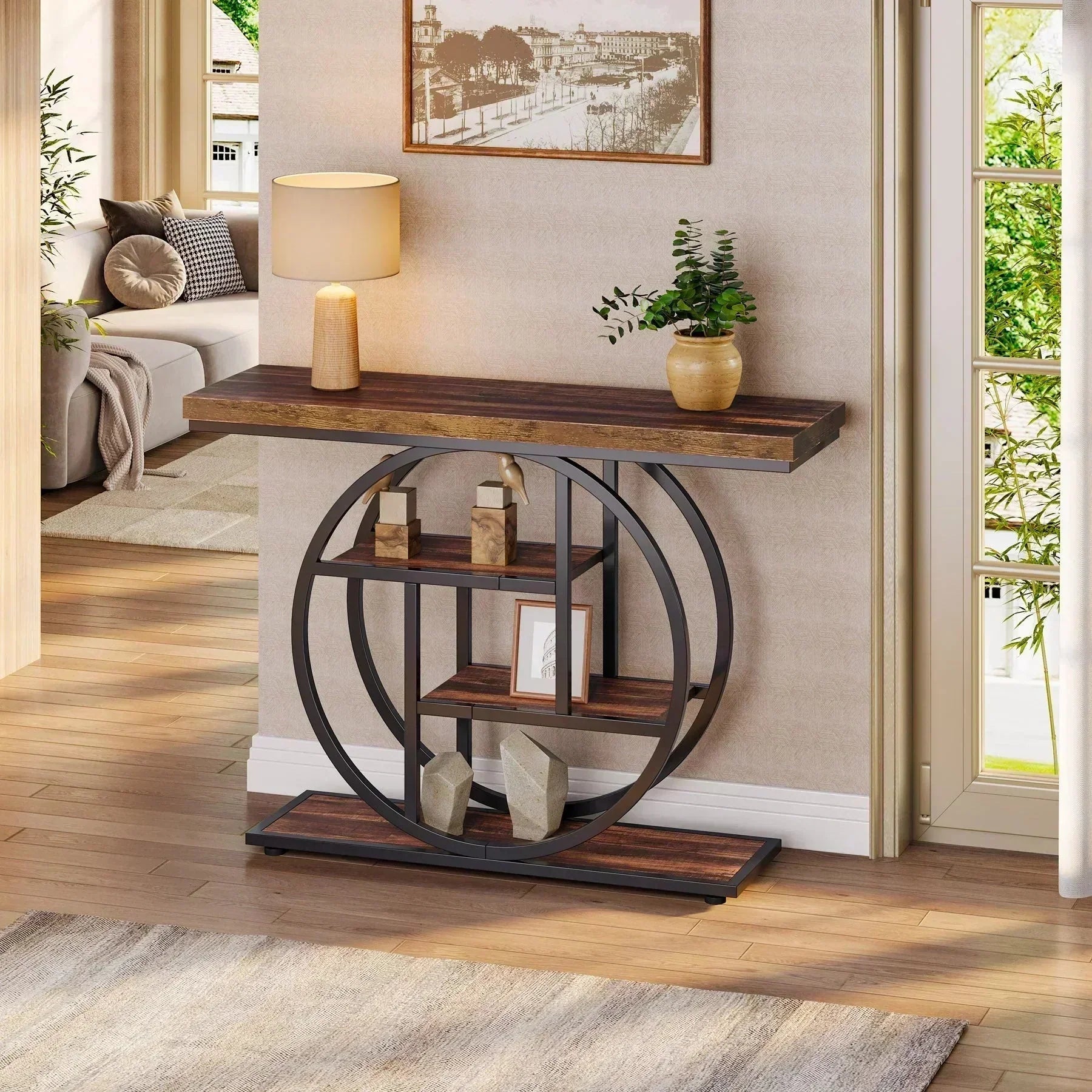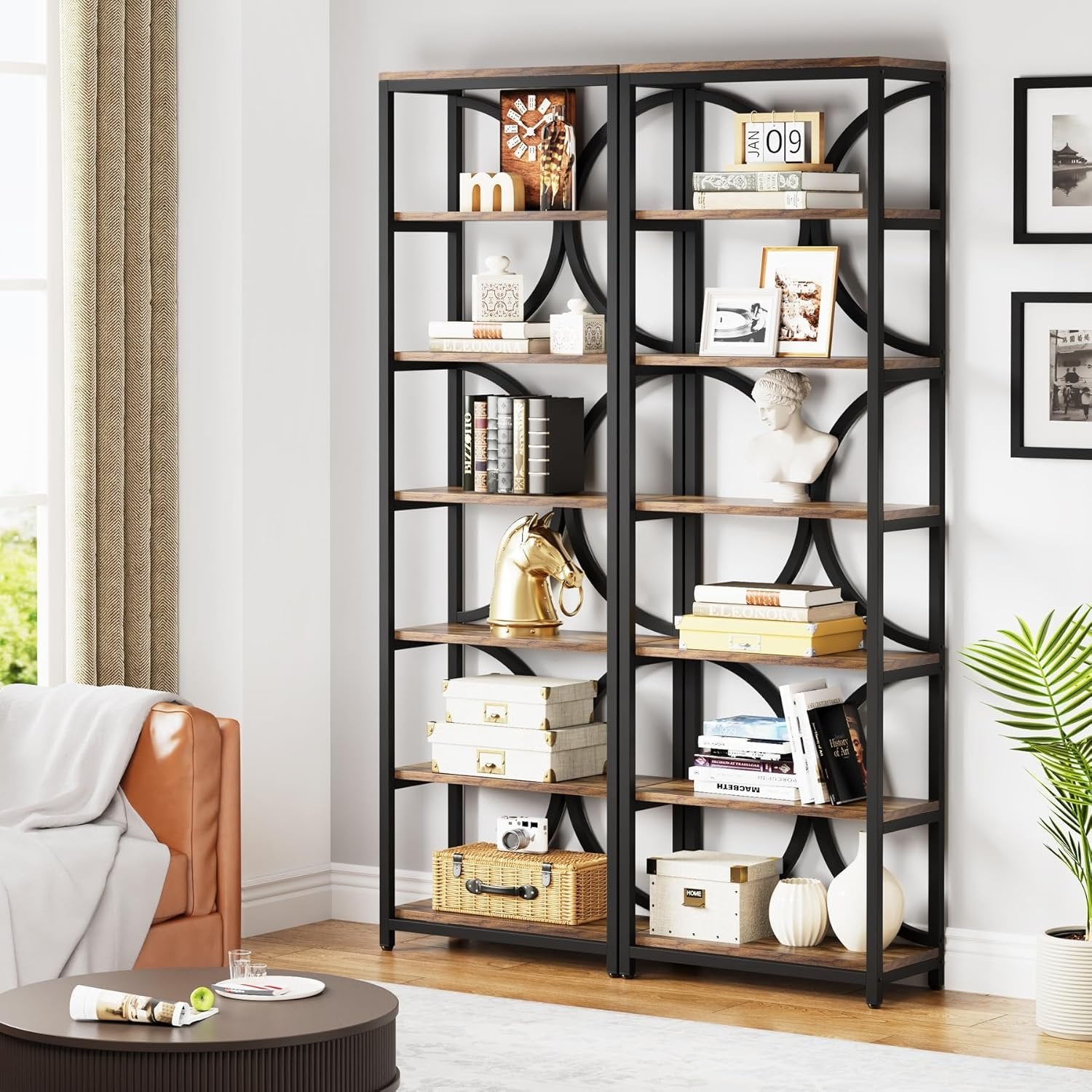

Selecting the right wood for your furniture influences not only its appearance but also its longevity, cost, and how it fits within your home. In the UK, you’ll generally come across two broad categories: solid wood and engineered wood. Each offers distinct advantages depending on your needs—whether you’re furnishing a family dining room, a home office, or a city flat.
This guide will help you understand the characteristics, uses, and benefits of popular wood types, so you can make confident choices suited to British interiors and lifestyles.
Solid Wood Furniture
Solid wood is cut directly from timber, offering natural grain variations, strength, and the potential to last generations. It can be sanded and refinished over time, making it a repairable and enduring option.
Oak
A classic British favourite, oak is hard-wearing and ideal for dining tables, bookshelves, and flooring.
- Red Oak: Lighter tone, suited to rustic and traditional settings
- White Oak: Denser, with a subtle grain—perfect for modern and high-end furnitur
- Best For: Dining tables, bookshelves, flooring, and heavy-use furniture
- Style Match: Traditional, farmhouse, and rustic interiors
Walnut
With its rich, dark brown tones and fine grain, walnut brings elegance to statement pieces like desks, consoles, and bedroom furniture. It’s often used in premium and custom designs.
Maple
Light-coloured, smooth, and very hard-wearing, maple works well in modern and child-friendly furniture. It takes stains evenly, offering versatility in finish.
Cherry
Known for its warm reddish tones that deepen over time, cherry is a sought-after wood for traditional cabinets, tables, and heirloom-quality pieces.
Mahogany
A luxury hardwood with a deep red-brown colour and straight grain. Mahogany resists warping and is often used in high-end, antique-style furniture.
Softwoods: Pine, Cedar & Fir
- Pine: Light, knotty, and affordable—ideal for rustic, cottage, or painted furniture.
- Cedar: Naturally insect- and moisture-resistant; great for storage and outdoor use.
- Fir: Straight-grained and economical, often used in simple, functional furniture.
Engineered Wood Furniture
Engineered wood is made by binding wood fibres or layers together. It’s a budget-friendly, stable, and often more sustainable option, especially when made with recycled materials.
Plywood
Constructed from layered veneers with alternating grain direction, plywood is strong, stable, and resistant to warping. It’s widely used in cabinets, shelving, and as a base for veneered furniture.
MDF (Medium-Density Fibreboard)
Smooth, uniform, and easy to paint, MDF is perfect for modern, painted furniture such as cabinets, shelves, and detailed mouldings. Avoid high-moisture areas unless sealed.
Particle Board
Made from compressed wood chips, it’s the most affordable option. Often used in flat-pack furniture, it’s lightweight but best kept in dry indoor settings.
Veneer
A thin layer of real wood applied over engineered wood. Veneer furniture offers the look of solid wood at a lower price, with good stability.
How to Choose the Right Wood
| Consideration | Recommended Options |
| Durability | Oak, maple, walnut |
| Budget-friendly | Pine, particle board, veneer |
| Modern style | Maple, MDF, light-toned veneers |
| Traditional appeal | Cherry, mahogany, oak |
| Eco-conscious | FSC-certified wood, reclaimed timber, bamboo |
Caring for Your Wood Furniture
- Solid Wood: Dust regularly; use wood-specific polish. Keep out of direct sunlight. Refresh with light sanding and oil or wax as needed.
- Engineered Wood: Wipe with a damp cloth; avoid excess moisture. Use coasters and protective pads to prevent scratches or swelling.
Trends in UK Furniture
Sustainability is increasingly important to British buyers, with demand growing for FSC-certified wood, reclaimed timber, and low-VOC finishes. Hybrid designs—such as solid wood tops with engineered bases—are also popular, balancing aesthetics, cost, and strength.
Flat-pack furniture made from engineered wood remains a practical choice for urban homes, offering style and convenience without high cost.
Final Thoughts
Whether you choose the natural beauty of solid wood or the practical benefits of engineered timber, understanding materials helps you invest wisely. Look beyond the surface—consider where and how the piece will be used, and always opt for responsible sourcing where possible.
At Tribesigns, we combine thoughtful material selection with timeless design, creating furniture that brings quality, style, and sustainability into UK homes.
Explore our collections to find pieces that reflect your taste and stand the test of time.