
Introduction to Console Tables
The console table represents one of furniture design's most elegant contradictions - equally decorative and practical, historically significant yet perfectly suited to contemporary living. These slender tables originated in 17th-century French aristocracy, where they graced the palaces and grand homes of Europe's elite. Today, they've evolved into democratic design pieces that bring both style and smart storage solutions to British homes, particularly valuable in space-conscious flats and compact living areas.
Originally crafted to display ornate artworks and luxurious objects in royal settings, console tables have gracefully adapted to modern needs. Their journey from gilded Baroque statements to sleek, multifunctional designs mirrors changing lifestyles and interior trends. This guide explores how console tables continue to earn their place in British homes, offering clever storage solutions and elegant accents for every room.
Historical Evolution: From Palace to Practical
1640-1715: The Baroque Beginnings
The console table originated during the reign of Louis XIV, serving as a decorative centrepiece in the palaces and grand homes of the aristocracy. These early pieces were defined by their ornate aesthetics, featuring intricate carvings, gilded finishes, and opulent materials like marble and gilded wood. Consoles were traditionally placed against walls, where they functioned as pedestals for displaying exquisite artworks, sculptures, and other decorative objects, showcasing the owner's status and sophistication.

1715-1774: Rococo Refinement
The Louis XV era introduced lighter, more graceful designs. Rococo console tables featured delicate curves, cabriole legs and intricate floral marquetry. These pieces moved from grand halls into intimate salons, becoming both decorative and conversational centres.

1774-1799: Neoclassical Simplicity
The Enlightenment brought cleaner lines and classical influences. Mahogany consoles with fluted columns and geometric patterns reflected growing interest in antiquity. These designs suited the formal drawing rooms of British country houses.

1800-1850: The Empire Style
During Napoleon's reign, the Empire style emerged, defined by its admiration for Roman and Egyptian antiquity. This influence transformed console tables into far grander, more assertive statements. They were crafted from weighty materials like bronze and marble, often adorned with gilded accents. As the style permeated society, these tables appeared in both royal and upper-middle-class residences, distinguished by their pronounced geometric shapes, intricate carvings, and symbolic motifs drawn from military and imperial iconography.

1850-1914: Victorian Opulence
Dark woods like mahogany and walnut dominated, with heavily carved details and marble tops. Console tables became substantial pieces for grand hallways, often paired with oversized mirrors and umbrella stands.

1914-1945: Art Deco to Modernism
The 20th century saw dramatic shifts. Art Deco introduced geometric shapes and luxurious materials like lacquer and chrome, while Modernism prioritised function with clean lines and minimalist forms.

1945-Present: From Mid-Century to Contemporary
In the decades following World War II, the Mid-Century Modern movement redefined interior design. Console tables shed their ornamental past, adopting clean lines, organic forms, and the warm tones of teak and walnut. This was a decisive shift towards functionality, catering to more compact urban dwellings and the growing trend of open-plan living. The contemporary console continues this legacy, prioritising minimalist, versatile, and multifunctional designs. We now see an artful blend of metal, glass, and reclaimed wood, creating pieces that are as adaptable as they are stylish, perfectly mirroring the needs of today's fluid, multifunctional homes.
Material Matters: A Guide to Console Table Construction
Solid Hardwoods
- Oak: A timeless British favourite, oak is prized for its exceptional durability and distinctive grain. This sturdy hardwood withstands daily wear beautifully and can be finished in everything from matte wax to high-gloss lacquer, making it ideal for both rustic and traditional console tables.
- Walnut: Exuding sophistication, walnut is characterised by its rich, dark tones and fine, consistent grain. A durable and stable hardwood, it resists warping and is a premier choice for heirloom-quality console tables that demand a touch of luxury.
- Maple: Offering a lighter, contemporary aesthetic, maple is a hard-wearing and versatile hardwood. Its fine, uniform grain and natural resistance to scratches and dents make it a practical and attractive choice for modern and minimalist furniture designs.
- Cherry: Cherished for its elegance, cherry wood boasts a warm reddish-brown hue that deepens into a rich patina over time. Its smooth texture and graceful ageing process make it a favourite for classic and antique-style pieces.
- Mahogany: A dense, reddish-brown hardwood that speaks of luxury and tradition. Mahogany is incredibly robust and often used for vintage-inspired or high-end console tables designed to last for generations.
Modern & Alternative Materials
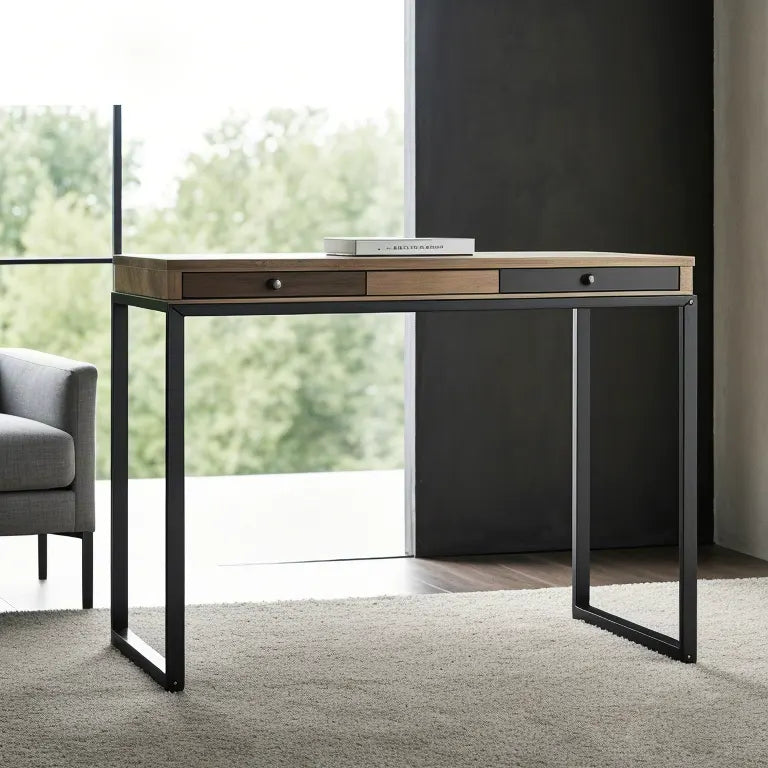
- Powder-Coated Steel: Delivering an industrial-chic aesthetic, powder-coated steel offers a sleek, matte finish. It is remarkably durable, resistant to rust and scratches, and easy to maintain, making it a sturdy and stylish choice for contemporary or urban interiors.
- Tempered Glass: Perfect for creating a sense of lightness and space, tempered glass is strength-treated for safety. It provides a clean, transparent aesthetic that is ideal for small spaces and homes with a minimalist design ethos.
- Concrete: Bringing a rugged, urban edge to interiors, concrete is celebrated for its raw strength and unique character. It can be cast into various forms and finishes, adding a bold, sculptural statement to minimalist and industrial-style homes.
- Marble: A natural stone synonymous with timeless luxury, marble introduces an elegant and cool surface to any console table. Each piece offers a unique, organic pattern. Note that it requires sealing and careful maintenance to protect its porous surface.
- Reclaimed Wood: An environmentally conscious choice full of character, reclaimed wood offers a rustic, one-of-a-kind appeal. Its weathered textures and historical imperfections tell a story, making it perfect for vintage-inspired and eco-friendly designs.
- Bamboo: A rapidly renewable and robust material, bamboo is a star of sustainable design. It is lighter than traditional hardwoods yet durable and moisture-resistant, making it an excellent choice for modern, eco-conscious homes.
Composite & Engineered Materials
- Medium-Density Fibreboard (MDF): A versatile and cost-effective engineered wood, MDF provides an exceptionally smooth surface, ideal for painted finishes and veneers. It is a practical choice for budget-conscious, modern designs.
- Plywood: Constructed from layered wood veneers, plywood is strong, stable, and lightweight. It offers great structural integrity for furniture frames and tabletops, providing a more affordable alternative to solid wood without sacrificing strength.
- High-Density Polyethylene (HDPE): A supremely durable and moisture-resistant plastic, HDPE is often used for outdoor furniture. It is resistant to impact, UV rays, and the elements, making it perfect for garden console tables or indoor spaces requiring easy cleanup.
Textiles & Upholstery
- Velvet: This fabric offers a sumptuous texture and a luxurious sheen. Soft to the touch and available in a rich colour palette, velvet upholstery on a console table base creates a true statement piece for sophisticated interiors.
- Leather: A durable and timeless material, leather develops a beautiful patina over the years, adding to its character. It is easy to clean and works wonderfully for accent details, complementing both traditional and modern designs.
- Linen: A natural, breathable fabric that lends a relaxed, casual feel. Linen’s lightweight and slightly textured appearance is ideal for creating a laid-back, modern, or coastal vibe, embracing a charming, lived-in aesthetic.
- Faux Leather: A cruelty-free and often more affordable alternative, high-quality faux leather convincingly mimics the look and feel of genuine leather. It is durable, easy to maintain, and available in a wide variety of colours and finishes.
Strategic Placement: Clever Console Table Ideas for Your Home
The Welcoming Entryway
Make a striking first impression right from the doorway. A console table in your entryway or foyer is the perfect spot to drop your keys and mail, while also providing a elegant display surface for a vase or decorative bowl. For a narrow space, choose a slimline design; a more generous hallway can handle a wider, more substantial piece that sets the tone for your entire home.
The Stylish Living Room
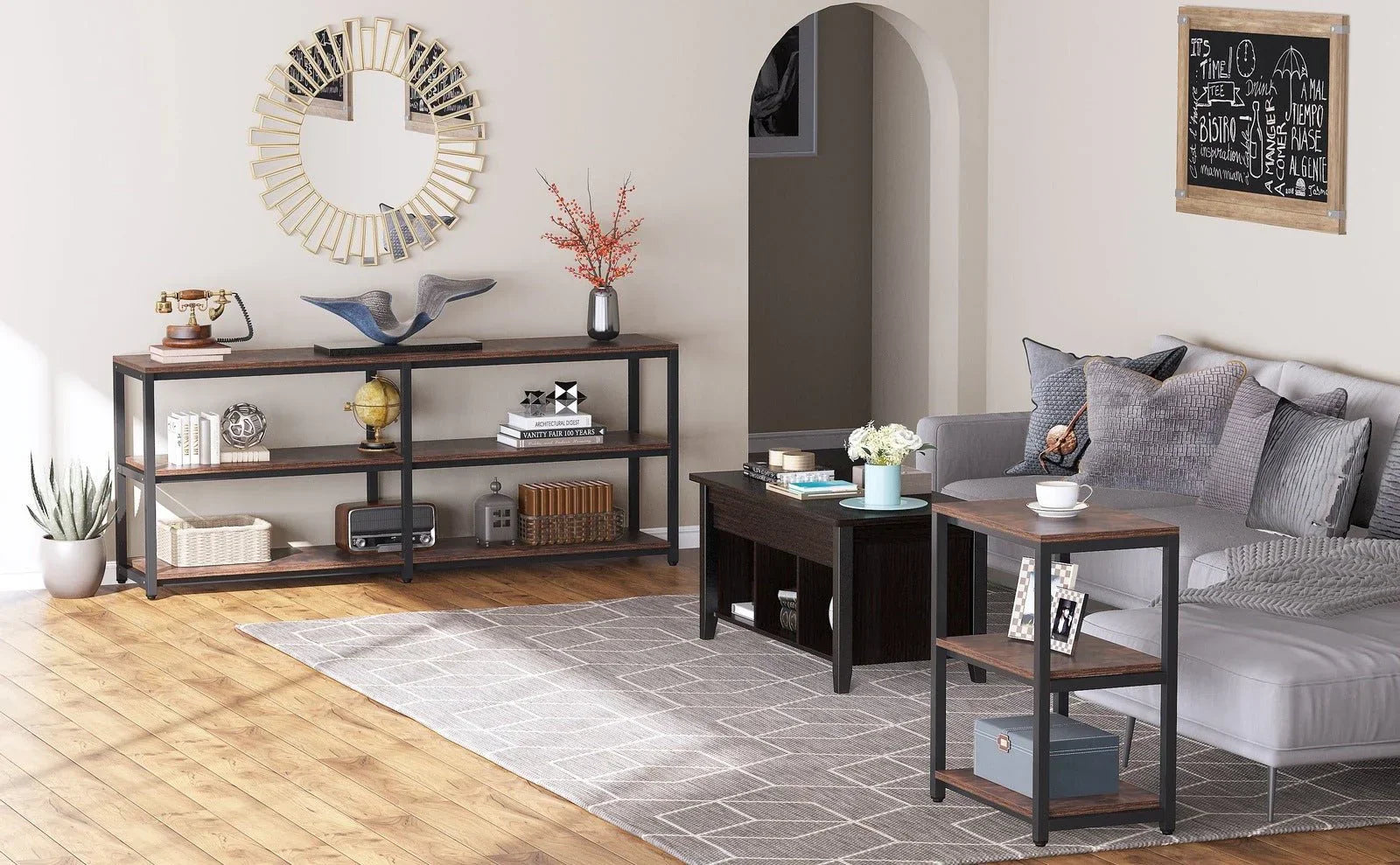
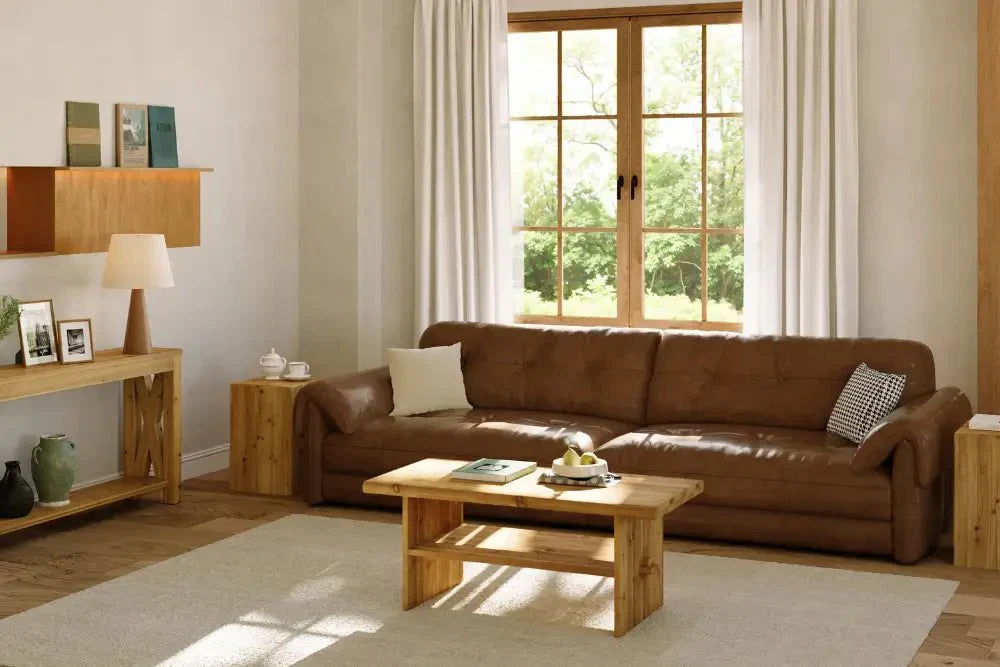
Elevate your living area by positioning a console table behind your sofa or against a blank wall. This versatile spot is ideal for a reading lamp, a curated collection of coffee table books, or family photographs. Select a design that enhances your room's character—a sleek, glass-topped console for a modern look, or a rich, wooden piece for a more traditional feel.
The Practical Hallway
Transform a often-overlooked passage into a functional and stylish area. A console table in the hallway offers a convenient landing spot for everyday essentials, while its surface can host a piece of art or a sculptural lamp. Ensure easy movement by selecting a narrow, streamlined table for tighter spaces.
The Serene Bedroom
Introduce a touch of elegance and practicality to your bedroom. A console table can serve as a sophisticated vanity for your perfumes and jewellery, or act as a spacious alternative to a bedside table. Position it opposite the bed to create a beautiful focal point, or choose a soft-upholstered design to complement a cosy, intimate scheme.
The Chic Bathroom
Add a furniture-like feel to your bathroom by incorporating a console table. Used as a vanity base, it creates a sleek, open look. A smaller table against the wall can hold towels and toiletries. Crucially, opt for moisture-resistant materials like treated wood, marble, or metal to ensure longevity in this humid environment.
The Streamlined Home Office
Create an uncluttered and inspiring workspace. A console table offers a surprisingly sufficient surface for a laptop and notepad, maintaining a clean, minimalist aesthetic that larger desks can overwhelm. For added utility, look for designs with a discreet drawer, and position it to take advantage of natural light.
The Dining Room Serving Station
Function as a stylish sideboard during dinner parties. A console table placed in the dining room provides invaluable extra surface area for serving dishes, drinks, or dessert. Choose a finish that complements your dining set for a cohesive look, or pick a contrasting material to add a dynamic touch.
The Al Fresco Entertainer
Extend your style outdoors. A weather-resistant console table made from teak, powder-coated metal, or synthetic rattan is perfect for the patio or balcony. It provides a sturdy surface for drinks and snacks when entertaining, and can be adorned with potted herbs or lanterns to enhance your outdoor living area.
The Sofa's Perfect Partner
Utilise the often-wasted space behind your sofa. A console table placed here adds both depth and functionality, offering a convenient ledge for lamps, decorative objects, or even a charging station. For a harmonious look, ensure the table's height is slightly lower than the back of your sofa.
The Graceful Corridor
Breathe life into a long, blank corridor. A console table breaks up the length of the space and provides an opportunity to display art or a mirror, which helps to reflect light. In narrow corridors, a slim, wall-hugging design is key; more spacious passages can accommodate a console with greater presence.
Care & Maintenance: Preserving Your Console Table's Beauty
Essential Care by Material
- Solid Wood: Nourish your wooden table by dusting weekly with a soft, dry cloth. Every season, apply a quality furniture wax or polish to maintain its natural lustre. Always use coasters to prevent heat and water marks, and keep it out of direct sunlight to avoid fading.
- Tempered Glass: For a crystal-clear finish, clean with a dedicated glass cleaner and a microfibre cloth. Wipe in a circular motion to eliminate streaks, paying attention to edges where dust gathers.
- Metal Frames & Accents: Dust regularly and wipe with a damp cloth. For polished brass or chrome, use an appropriate metal polish occasionally to maintain shine. For powder-coated finishes, a simple wipe-down is usually all that's needed to keep them looking their best.
- Marble Tops: As a porous stone, marble requires immediate cleaning of any spills. Use a pH-neutral cleaner only, as acids can etch the surface. We recommend sealing the marble upon purchase and re-sealing it every 6-12 months to protect against stains.
- Upholstered Elements: For velvet or linen accents, regular vacuuming on a low setting is key. Tackle spills immediately with a clean, damp cloth and a small amount of mild detergent. Always blot—never rub—to avoid damaging the fibres.
- Engineered Wood (MDF/Plywood): Clean with a barely damp cloth and avoid saturating the surface, as excess moisture can cause swelling. These materials are best kept in environments with stable humidity.
Proactive Protection Tips
- Prevent Scratches: Use felt pads under decorative objects and avoid dragging items across the surface.
- Maintain Hardware: Periodically check and gently tighten any knobs or handles to ensure they remain secure.
- Seasonal Check-up: With changes in temperature and humidity, it's wise to do a seasonal inspection of the entire piece, looking for any loose joints or needed touch-ups.
Conclusion
The console table has beautifully transitioned from aristocratic luxury to practical essential in British homes. Its enduring appeal lies in this unique combination of elegance and utility - offering stylish solutions for space challenges while adding character to any room.
At Tribesigns, we understand the importance of furniture that works as hard as it looks beautiful. Our console table collections blend thoughtful design with everyday functionality, helping you make the most of your space without compromising on style. Whether enhancing a narrow hallway or completing your living room arrangement, the right console table brings both organisation and elegance to your home.