1. What’s the Best Wood for a Bookshelf?
The material you choose will define your bookshelf’s look, strength, and lifespan. Here are popular options suited to British interiors:
- Solid Oak: Hardwearing and timeless, ideal for lasting quality in busy family homes.
- Walnut: Brings rich tones and elegance, perfect for statement furniture.
- Pine: A cost-effective and lightweight choice, great for painted or rustic styles.
- Birch: Takes paint and stain beautifully, offering versatility for modern spaces.
- Plywood: An affordable and sturdy option, often used in contemporary and Scandi-inspired designs.
At Tribesigns, we focus on responsibly sourced wood and durable finishes, ensuring each piece fits seamlessly into your home—both in style and substance.
2. How Much Should a Bookcase Cost?
Bookcase prices vary based on materials, design, and size. Here’s a general idea for the UK market:
- Budget-friendly (£50 - £150): Often MDF or engineered wood; great for temporary or light-use spaces.
- Mid-range (£150 - £500): Solid wood or high-quality veneers with thoughtful design, like many Tribesigns bookcases.
- Premium (£500+): Custom designs, solid hardwoods, or bespoke built-ins.
Investing in a well-made bookcase ensures it stands the test of time—both structurally and stylistically.
3. What Types of Bookcases Are Available?
From classic tall units to space-smart designs, there’s a bookcase for every room:
- Standard Bookcase: Reliable and versatile, with adjustable shelves.
- Ladder Bookcase: Leaning, shallow design—ideal for narrow rooms or as a stylish accent.
- Corner Bookcase: Makes smart use of unused space.
- Cube Storage: Modular and modern, perfect for books and display.
- Barrister Bookcase: Features glass doors to protect valued editions.
- Built-in Bookcase: Tailored to fit alcoves or full walls for a seamless finish.
4. What Are the Standard Bookshelf Dimensions?
Getting the proportions right ensures a balanced look and practical use:
- Width: Usually 24" to 47.2".
- Height: Ranges from 35" to over 75".
- Depth: Around 12" – 15" to hold most books comfortably.
Before buying, always measure your space—especially in British homes where alcoves and lower ceilings are common.
5. How Do You Organise a Bookshelf with Lots of Books?
A well-organised shelf is both functional and inviting:
- Sort by author, genre, or colour for visual harmony.
- Mix horizontal and vertical stacks to break monotony.
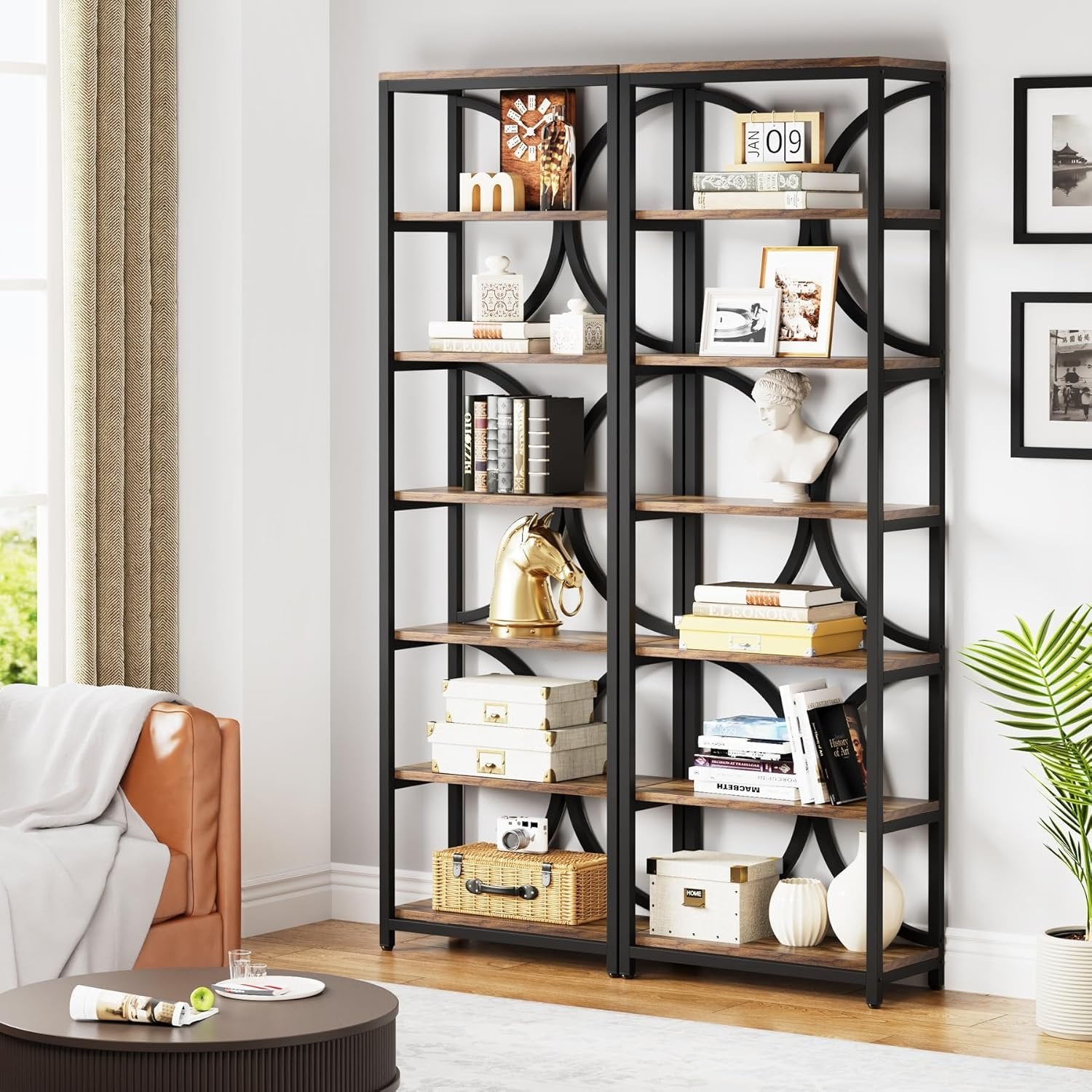
- Add decorative objects—vases, plants, or framed prints—to personalise the look.
- Leave some breathing space to avoid a cluttered feel.
6. Which Colour Is Best for a Bookshelf?
Colour sets the tone. Consider these popular choices:
- White & Light Tones: Keep spaces feeling open and fresh.
- Dark Hues: Add depth and a touch of modern sophistication.
- Wood Finishes: Bring natural warmth that ages gracefully.
- Bold Colours: Create a focal point and express personality.
Tribesigns offers a range of finishes to complement any interior theme.
7. What’s a Good Height for a Bookshelf?
Height should match your room and usage:
- Low (under 39.37" ): Works well under windows or as room dividers.
- Medium (39.37–59"): Fits comfortably in most living areas and offices.
- Tall (over 71"): Maximises vertical storage—ideal for floor-to-ceiling impact.
8. How Much Weight Can a Bookcase Hold?
Sturdy shelving is a must, especially with hardback collections:
- MDF & Particleboard: Approx. 15–25kg per shelf.
- Plywood & Softwood: Around 25–40kg per shelf.
- Solid Hardwood (e.g., Oak): Can often hold 45kg+ per shelf.
- Metal Frame & Reinforced Models: Up to 100kg per shelf in heavy-duty designs.
All Tribesigns bookshelves are tested for stability and daily use.
9. How Do You Finish a Wooden Bookshelf?
If you’re building or refreshing a wooden shelf, follow these steps:
- Sand thoroughly for a smooth base.
- Apply wood conditioner before staining.
- Stain or paint in a well-ventilated space.
- Seal with varnish or lacquer for protection.
- Allow to cure fully before loading books.
10. Do Bookshelves Need to Be Anchored?
Yes—especially tall or heavy-loaded units. Anchoring prevents tipping, which is crucial in households with children or pets. It’s a simple step that adds an important layer of safety, giving you peace of mind.