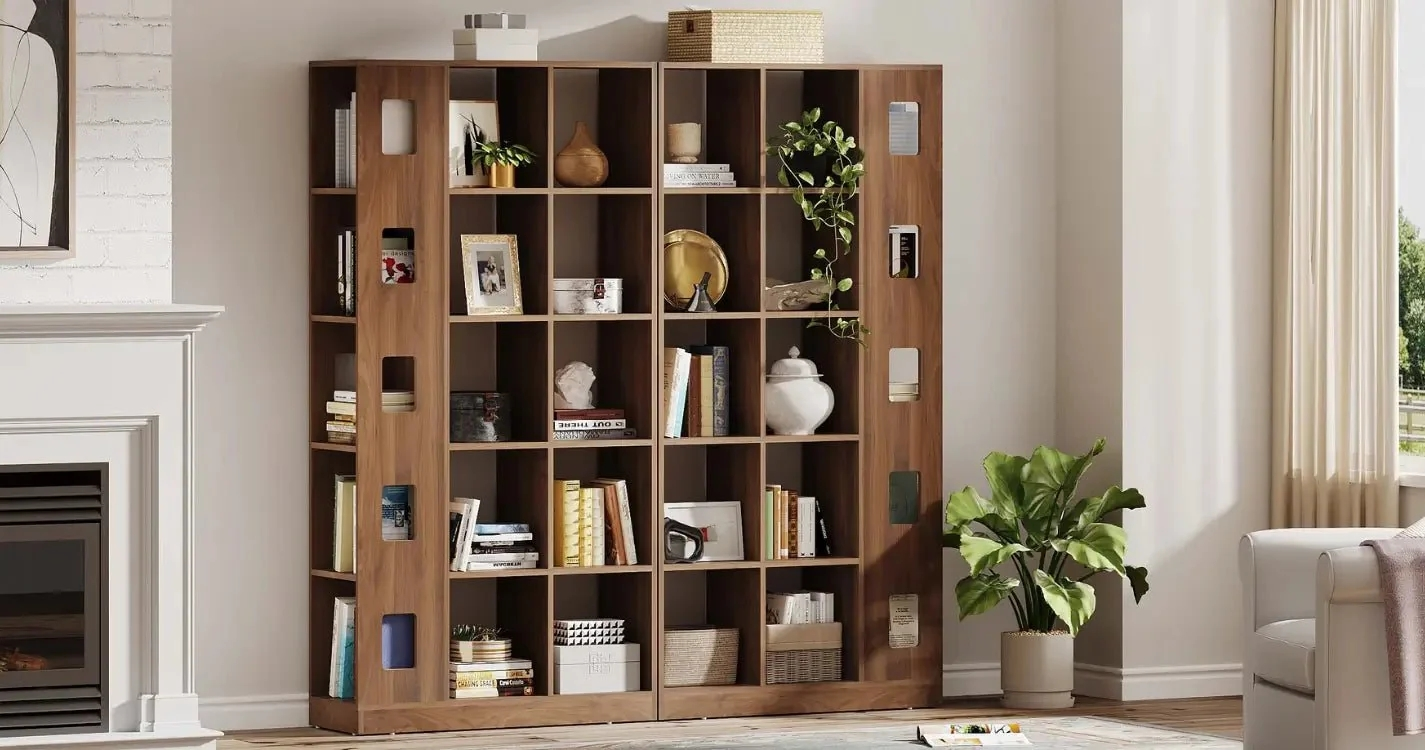

A bookcase is far more than a storage unit for reading materials. Positioned thoughtfully, it can lend a room a sense of completeness, offer valuable extra storage, showcase favourite objects, or even define zones within an open-plan space – all without the need for structural changes.
The ideal spot for a bookcase often depends on the room: living areas, studies, bedrooms, corridors, entrance halls, dining spaces, or an overlooked corner. The decision really comes down to what you need most – additional shelving for books and files, a display surface for ornaments, convenient reach for daily items, or a way to improve the flow of the room.
Below, we’ve set out the most effective bookshelf placements for each area, along with a few locations best avoided.
Best Places to Put a Bookcase for Every Room
|
Room or Area |
Best Placement |
Works Well For |
Best Bookcase Type |
|
Living room |
Empty wall, beside TV, behind sofa |
Books, decor, games, display |
Tall bookcase or open bookshelf |
|
Home office |
Behind desk or beside desk |
Files, books, video-call background |
Tall bookcase with shelves |
|
Bedroom |
Beside bed, reading corner, foot of bed |
Nightstand storage, bedtime reading |
Small or low bookcase |
|
Entryway |
Narrow wall near the front door |
Keys, bags, baskets, decor |
Narrow bookcase or shelf with drawers |
|
Hallway |
Long blank wall or landing |
Extra storage, mini library |
Slim bookcase |
|
Kids’ room |
Low shelf against the wall |
Children’s books, toys, bins |
Low bookcase, properly anchored |
|
Dining room |
Wall or corner |
Tableware, candles, cookbooks |
Bookcase with doors |
|
Kitchen |
Dry corner or unused side wall |
Cookbooks, jars, coffee supplies |
Small open shelf |
Living Room Bookshelf Placement Ideas
The living room remains one of the most popular places for a bookcase. It adds useful storage, fills an otherwise bare wall, and gives the space a more curated look.

Against a Blank Wall
A bare wall in the living room is often the simplest and most effective location. It allows the bookcase to stand out without overcrowding the furniture layout. For a broad wall, consider a tall bookcase or two matching units; for a more modest wall, a slim vertical shelf usually suffices.
Beside the Television
Positioning a bookshelf next to the TV can help balance a media wall while offering extra room for remote controls, speakers, gaming consoles, board games and decorative pieces. For a symmetrical arrangement, place one tall bookcase on either side of the screen. In a smaller living room, a single unit on one side still works well. Choose a bookcase with drawers or lower cupboards if you wish to conceal cables, devices or everyday clutter.
Behind the Sofa
A low bookcase placed behind a sofa works particularly well when the seating is set away from the wall. It creates a gentle visual boundary and provides a useful surface for lamps, books, trays or small ornaments. Keep the height close to the back of the sofa – anything too tall can feel overpowering behind the seating. This solution is especially handy in open-plan living rooms, studio flats, and combined living-dining areas.
In a Corner
An unused corner can be transformed into a practical storage spot with a corner bookshelf, ladder-style unit or narrow vertical shelf. These add function without occupying too much floor space.
As a Room Divider
In an open-plan living room, a bookcase can help separate zones without closing off the space entirely. Position it between the living and dining areas, or between the sofa and a compact home-office corner.
Where to Put a Bookcase in a Home Office?
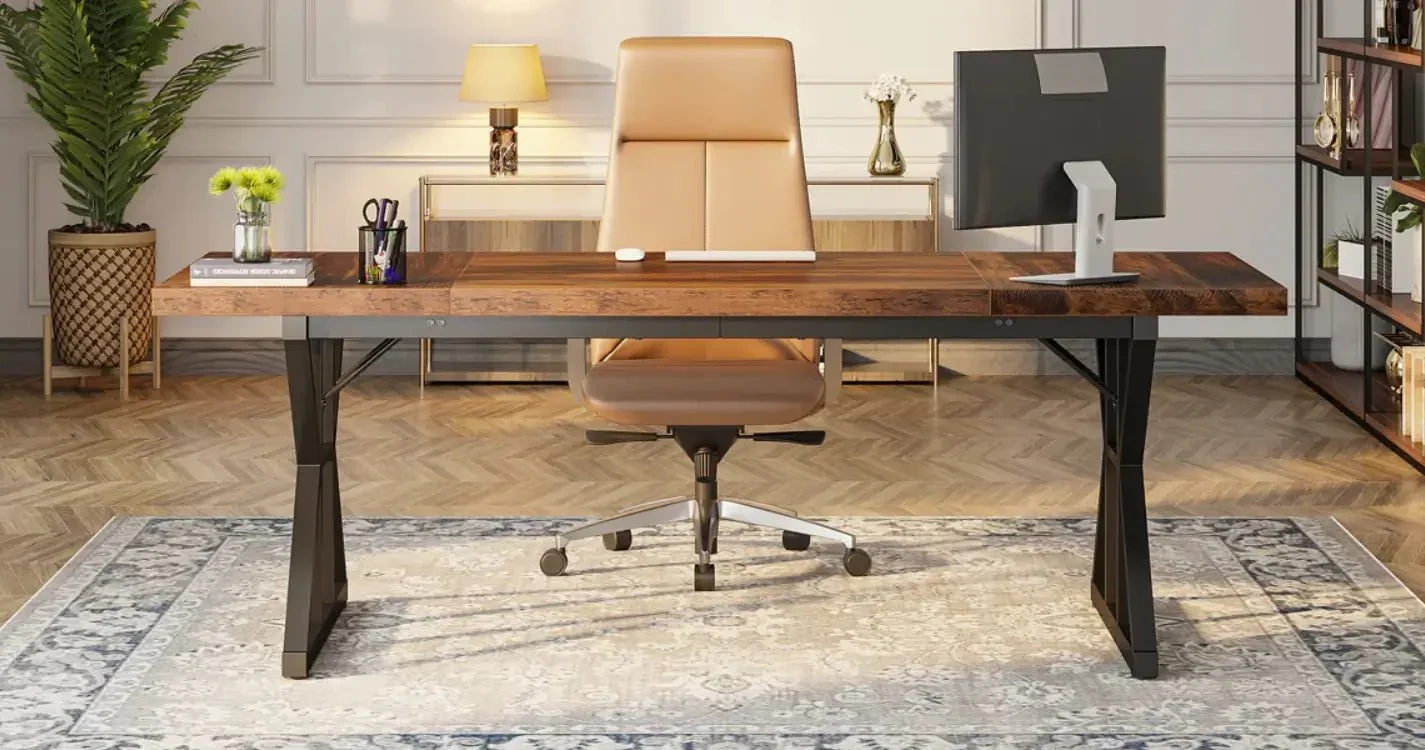
A bookcase is one of the most valuable additions to a home office, as it keeps reference books, files, storage boxes and stationery off the desk but still within easy reach.
Place it behind your desk if you want a tidier background for video calls, or alongside the desk for quick access to work materials. If your office shares space with a bedroom, guest room or living area, an open bookcase can also help define the work zone without making the room feel closed in.
For most home offices, a tall bookcase is the most practical choice – it maximises vertical wall space, leaves the floor area clear, and offers ample room for both functional storage and a few personal decorative touches.

Bedroom Bookshelf Placement Ideas
A bedroom bookcase should add storage without making the room feel cramped. Keep the size moderate and pick a spot that supports reading, display or daily use.
- Next to the bed: A small bookcase can serve as an alternative to a bedside table, offering space for a lamp, bedtime reading and small essentials.
- Near a reading chair: Place a bookcase beside an armchair and lamp to create a simple reading corner. Avoid strong direct sunlight if you plan to store books there.
- At the foot of the bed: A low bookcase can hold books, baskets or folded blankets – but only choose this spot if you have enough clearance to move around comfortably.

Entryway and Hallway Bookshelf Ideas
Entrance halls and corridors are often overlooked, yet a slim bookcase can add valuable storage without dominating the space.
In the Entryway
Position a narrow bookcase near the front door to hold keys, post, sunglasses, bags, dog leads and small baskets. A design with drawers or cubbyholes works best if you want to keep everyday items out of sight.
Along a Hallway Wall
A long corridor can double as a small home library. Opt for a shallow bookcase so the walking route remains unobstructed. If the hallway already feels narrow, wall-mounted shelves may be a better alternative.
On a Landing
A stair landing or upstairs corridor is a good spot for books, framed photographs or small decorative pieces. Use a low or medium-height bookcase to keep the area airy and easy to navigate.
Best Bookcase Placement for a Children’s Room
In a child’s bedroom, a bookcase should be both accessible and safe.
Low bookcases are generally preferable to tall ones – children can reach books and toys without climbing, and the room feels more spacious. Place the shelf against a wall, away from the door swing and the main play area. Use boxes or baskets to separate books, toys, art supplies and soft animals.
For safety, always anchor the bookcase to the wall. This is particularly important for taller units or any shelf that children might pull on while playing. Keep heavier items on the lower shelves and reserve lighter books, soft toys or display pieces for the higher levels.
Can You Put a Bookcase in the Kitchen or Dining Room?
Yes – a bookcase can work in the kitchen, provided it is kept away from water, heat and grease. A small open shelf is ideal for cookbooks, coffee-making supplies, jars, trays or extra pantry items. A dry corner, breakfast nook or unused side wall is usually the safest choice.
In the dining room, a bookcase can act as a casual display cabinet. Use it for cookbooks, candles, table linens, glassware, serving bowls or seasonal decorations. For a neater appearance, choose a bookcase with doors or lower cupboards to hide less attractive items.
Where Not to Put a Bookcase?
Some locations may seem convenient, but they can damage books or make a room harder to use.
- Direct sunlight: Strong sun fades covers and dries out paper. Use curtains or blinds if the bookcase must sit near a bright window.
- Damp or humid areas: Avoid bathrooms, laundry rooms, damp basements or poorly ventilated corners. Moisture can cause musty smells, warped pages or mildew.
- Near heat sources: Keep bookcases away from radiators, heating vents, fireplaces and wood-burning stoves. Heat can damage both books and furniture finishes.
- Tight walkways: Do not block doors, power outlets, windows, vents or main walking routes. A bookcase should improve the layout, not create an obstacle.
- Unanchored busy areas: Tall bookcases in children’s rooms, playrooms, hallways or high-traffic spaces must be anchored. Keep heavier items on lower shelves for better stability.

How to Choose the Right Bookcase for Each Spot?
Different spaces call for different bookcase shapes and sizes.
- Tall bookcase: Best for living rooms, home offices and large blank walls. It offers plenty of storage without taking up much floor space.
- Low bookcase: Works behind a sofa, under a window, at the foot of a bed or in a children’s room. It keeps the room feeling open and can double as a display surface.
- Narrow bookcase: Ideal for entryways, hallways, small bedrooms and compact offices. It adds vertical storage without crowding the room.
- Corner bookshelf: Great for unused corners, reading nooks, flats and smaller living rooms – it turns an awkward space into something useful.
- Bookcase with doors or drawers: Best when you want to conceal clutter in a dining room, entryway, office or living room.
- Open-back bookcase: A clever choice for room-dividing, as it separates zones while still allowing light to pass through.
The best place for a bookcase is wherever it makes your home more practical and comfortable. Whether that means filling an empty living-room wall, keeping office supplies within arm’s reach, creating a quiet reading corner, or turning an unused hallway into handy storage – the right spot is the one that works for your daily routine.
Explore the Tribesigns collection of bookcases and shelving units to find a piece that suits your room, your storage requirements, and your personal style – crafted for modern British homes and built to last.