
In interior design, the terms "entryway" and "hallway" are often used interchangeably, yet they represent distinctly different spaces within your home. Understanding these differences can help you make the most of these important areas, creating both practical and welcoming environments that work perfectly for UK living.

Defining Characteristics and Purposes
An entryway serves as your home's introduction - that crucial transition space between the outside world and your interior sanctuary. Typically found just beyond the front door, it might include a porch or vestibule area. This is where guests receive their first impression of your home, and where you can create a welcoming atmosphere while managing the practicalities of coming and going.
Conversely, a hallway functions as your home's internal circulatory system. These corridors connect various rooms, enabling smooth movement between different areas of your house. Rather than serving as a destination, hallways act as passageways that maintain the flow and functionality of your living space.
Location Within the Home
The entryway occupies the threshold position, directly connecting your home's exterior with its interior. It's the space that bridges the gap between the outside environment and your personal sanctuary, handling the transition from public to private space.
Hallways, however, are entirely internal features. They weave through the heart of your home, linking bedrooms, living areas, and other spaces without any direct connection to the outside. Their purpose is purely about internal navigation and accessibility.
Design Approaches and Styling
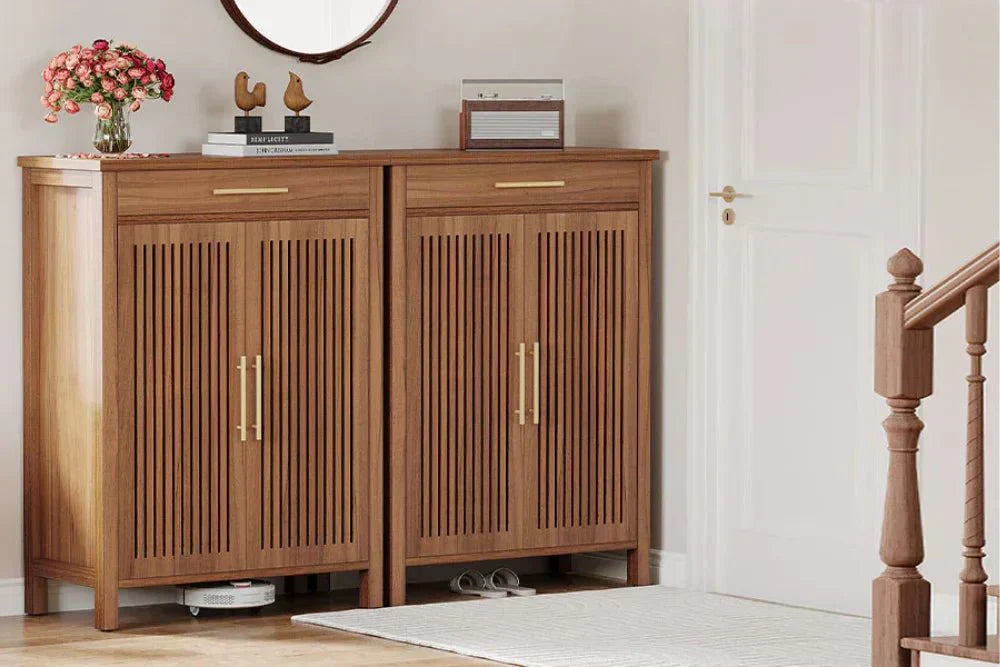
Entryway design tends to focus on creating immediate visual impact. Think statement lighting, attractive console tables, or eye-catching artwork. The goal is to establish a warm, inviting atmosphere that sets the tone for the rest of your home while incorporating practical elements like shoe storage and coat racks for everyday use.
Hallway design prioritises functionality and flow. With movement being the primary concern, these spaces often feature streamlined furniture, clever storage solutions, and minimal obstacles. The emphasis is on maintaining clear passageways while still reflecting your home's overall aesthetic.
Practical Applications in Daily Life
Your entryway serves multiple roles: it's your greeting area for visitors, your practical zone for storing outdoor wear, and your home's first impression maker. It needs to balance style with functionality, accommodating muddy wellies and wet umbrellas while still looking appealing.
Hallways work behind the scenes as your home's connective tissue. They enable easy access between different areas - from living room to kitchen, or bedrooms to bathrooms - making daily navigation smooth and efficient. Their success lies in how seamlessly they facilitate movement throughout your home.
Enhance Your Spaces with Thoughtful Solutions
Both entryways and hallways deserve careful consideration in your home design. For entryways, consider slim console tables with storage drawers, wall-mounted coat racks, or compact shoe cabinets that combine style with practicality. In hallways, look for space-saving solutions like narrow shelving units, mirrored cabinets to create light and space, and clever lighting to brighten these often darker areas.
The key is selecting pieces that not only suit your space physically but also enhance your home's character. Whether your style leans toward contemporary minimalism or traditional charm, the right choices can transform these functional areas into standout features of your British home.
Final Thoughts
While both serve as circulation spaces, your entryway acts as the welcoming face of your home, and your hallway functions as its practical backbone. Understanding their distinct roles helps you create spaces that are both beautiful and functional, perfectly adapted to the demands of UK living and weather conditions.