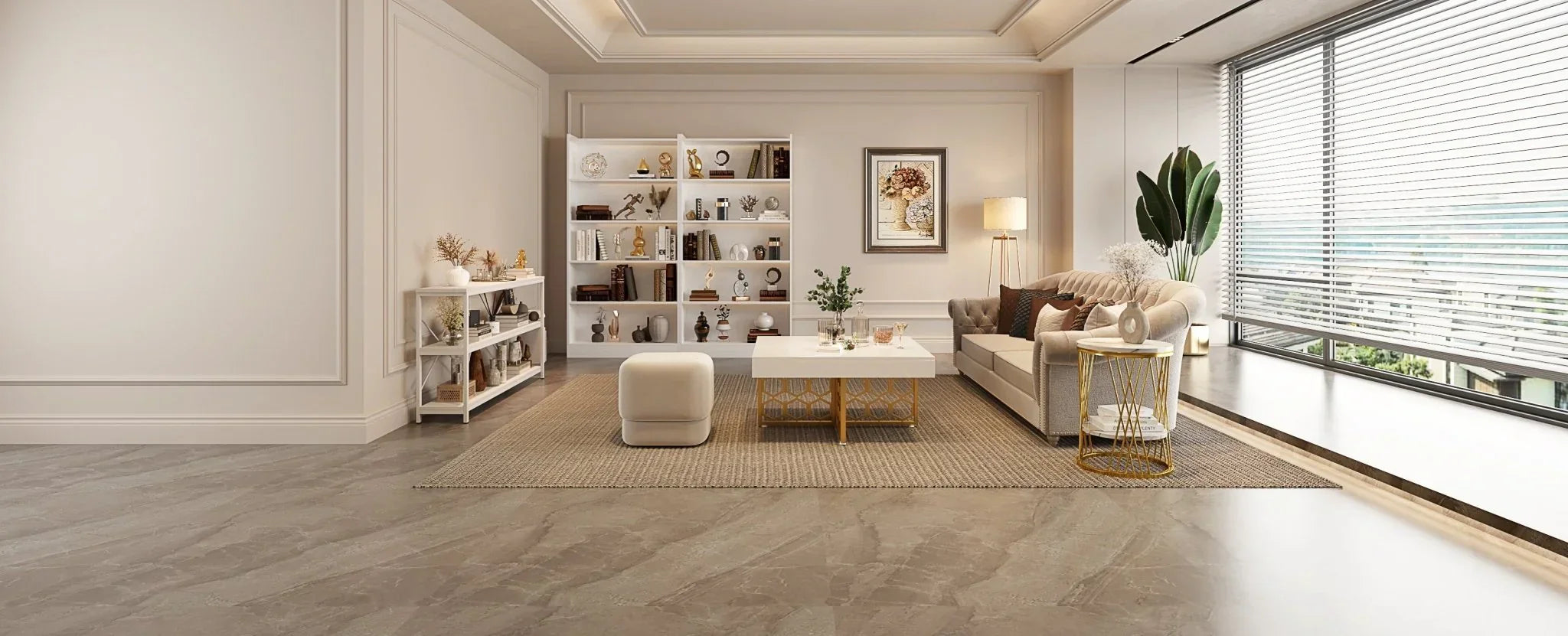

Creating a living room that balances comfort with style can be surprisingly challenging. Many of us have experienced the frustration of a layout that feels either too crowded or insufficient for hosting. Through careful planning and some valuable lessons learned, I've discovered how to transform this essential space into both a practical and welcoming area. This guide will walk you through practical, experience-based steps to achieve a perfectly arranged British living room.
1. Define Your Room's Function
Before rearranging any furniture, consider how you primarily use the space.
In my own home, I needed a cosy area for family evenings while ensuring sufficient seating for guests. Your requirements might differ - perhaps you need a reading corner, play space for children, or a home working area. Understanding this fundamental purpose will guide all subsequent decisions.

2. Take Accurate Measurements and Plan Your Layout
This crucial step is often overlooked, yet it prevents countless headaches. Measure your room precisely and create a simple floor plan using graph paper or digital tools like the Roomstyler app.
Remember to mark all architectural features including doors, windows, radiators and built-in storage. This visual reference helps determine what will fit comfortably before moving any actual furniture.

3. Establish a Clear Focal Point
Every successful living room centres around a defining feature. This could be:
- A television or media wall
- A traditional fireplace
- Large windows with garden views
- An accent wall or artwork
Choose the element that best supports your room's main purpose. In my case, the fireplace created a warmer, more inviting atmosphere than positioning everything around the television.

4. Position Key Furniture Pieces First
Begin with your largest item - typically a sofa. Place it facing your chosen focal point, ensuring it balances the room's proportions. Subsequent larger pieces like media units or substantial armchairs should complement this main placement.
Resist the urge to push everything against the walls. Floating furniture away from walls often creates a more intimate and spacious feeling arrangement.

5. Ensure Smooth Movement Around the Room
A beautiful arrangement fails if it hinders movement. Follow these principles:
- Maintain 60-90cm clearance for main walkways
- Keep entry points and natural pathways unobstructed
- Arrange seating to encourage comfortable conversation

6. Select Complementary Furniture Thoughtfully
Introduce secondary pieces like coffee tables and side tables gradually. Ensure:
- Coffee tables sit approximately 45cm from seating
- Side tables align with armrest height
- Ample space remains to move between furniture
Opt for versatile pieces - an ottoman that provides both seating and surface space, for instance.

7. Use Rugs to Anchor the Space
Rugs define areas and unify furniture arrangements. Select a size that allows at least the front legs of main pieces to rest upon it.
In open-plan spaces, rugs effectively distinguish living areas from dining or kitchen zones.

8. Plan Your Lighting Scheme
Layered lighting creates warmth and flexibility. Incorporate:
- Ambient: Central ceiling fixtures
- Task: Lamps for reading or specific activities
- Accent: Lighting to highlight architectural features or artwork
Position lights where they're most needed - beside armchairs for reading, or illuminating dark corners.

9. Add Personal Touches with Accessories
This stage brings your room to life:
- Layer cushions and throws in complementary textures
- Style surfaces with trays, books and decorative objects
- Hang artwork at average eye level
- Introduce greenery through well-placed plants

10. Common Layout Errors to Avoid
- Positioning all furniture against walls
- Choosing poorly scaled pieces
- Overcrowding with unnecessary items
11. Final Thoughts
Successful furniture arranging involves planning, experimentation and understanding your household's needs. Remember that Tribesigns offers numerous versatile pieces perfect for creating functional, stylish living spaces. Their thoughtfully designed furniture combines quality construction with adaptable styling options suitable for any British home.
Measure carefully, plan thoroughly, and don't hesitate to adjust until the space works perfectly for your lifestyle.