
Many homeowners are discovering the versatility of using end tables as nightstands, particularly in smaller bedrooms where space is at a premium. While this approach requires careful consideration of height, storage and functionality, it can offer both aesthetic and practical benefits when executed thoughtfully.
Understanding End Table Characteristics
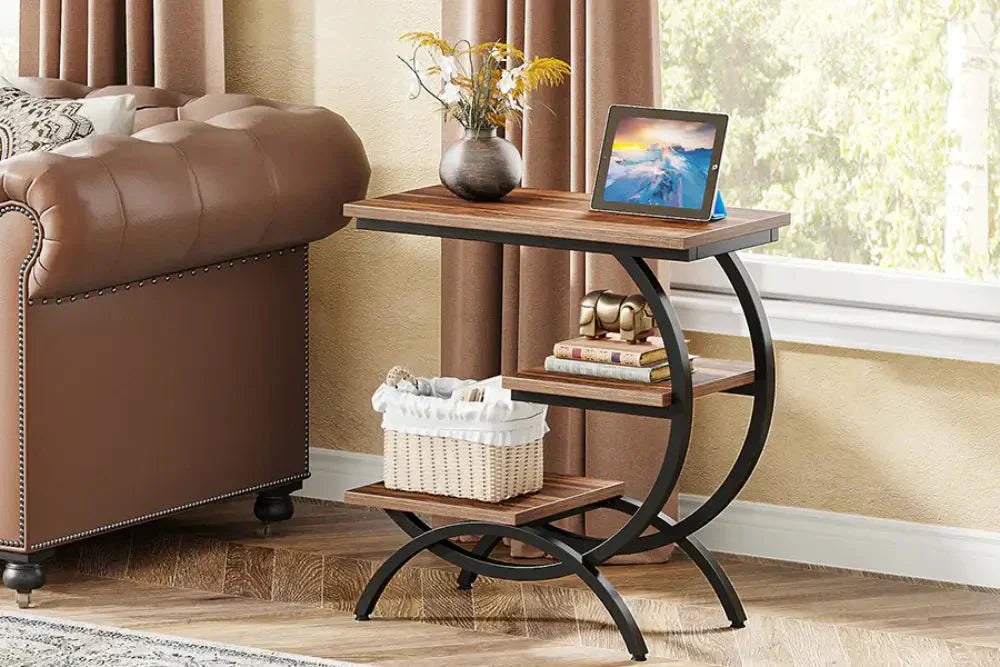
End tables typically serve as compact surfaces beside sofas or armchairs, providing convenient resting places for lamps, drinks and reading materials. Generally standing between 18-24" high with surfaces measuring 16-22" across, they prioritise accessibility over extensive storage. While some designs incorporate shelves or drawers, many focus primarily on surface space.
The distinction between end tables and side tables is often subtle, with the former typically placed at the ends of seating arrangements and the latter functioning as more mobile accent pieces. However, both can potentially serve bedside duties if their proportions suit your sleeping arrangement.
Advantages of This Versatile Approach
Height Compatibility
Many modern bed frames position mattresses at 24-27" high, making 22-26" end tables naturally suited to bedside use. Aim for no more than 2" difference between mattress and table height for comfortable access.
Space Efficiency
With typically smaller footprints than dedicated nightstands, end tables help maintain clear walking space beside the bed. This proves particularly valuable in compact bedrooms where every centimetre counts.
Style Variety
The extensive range of end table designs available means you're more likely to find something that complements your bedroom's aesthetic, often at more accessible price points than matching bedroom furniture.
Mobility
Lighter than many nightstands, end tables can be easily repositioned for cleaning or room rearrangements, offering flexibility that fixed storage furniture cannot match.
Potential Limitations and Solutions
Limited Storage
Many end tables lack the enclosed storage of traditional nightstands. Consider adding bedside caddies, small trays or decorative boxes to organise essentials like medications and reading glasses.
Surface Space Constraints
Smaller tops may feel cramped with multiple items. Opt for slimline lamps and consider wall-mounted reading lights to free up surface area for other necessities.
Height Mismatches
Significant height differences can create practical difficulties. Always measure your bed height before selecting a table, and consider adjustable designs if your sleeping arrangement might change.
Cable Management
Unlike many purpose-built nightstands, end tables often lack integrated cable management. Simple adhesive cable clips or a small cable management box can neatly contain charging cables and power cords.
Comparing Traditional Nightstands and End Tables
| Feature | End Table | Nightstand |
| Typical Height | 18-24" | 24-28" |
| Primary Function | Surface accessibility | Storage and surface space |
| Storage Capacity | Limited, often open | More substantial, often enclosed |
| Typical Placement | Living areas | Bedside |
| Design Focus | Versatile styling | Bedroom-specific functionality |
Making an Informed Decision
Successfully using an end table as a nightstand requires careful consideration of your specific needs and space constraints. Begin by measuring your bed height and available floor space, then consider what items you typically need within reach each night.
For those who primarily need surface space for a lamp and evening reading materials, an end table may prove perfectly adequate. However, if you require substantial storage for multiple items, a traditional nightstand might better serve your needs.
Common Questions Answered
Can end tables and nightstands be used interchangeably?
While there's overlap in function, nightstands typically offer more storage and are height-optimised for bedside use. However, many end tables can work perfectly well beside a bed if their proportions are suitable.
What other functions can end tables serve?
Beyond their traditional living room role, end tables work well as plant stands, entryway organisers, or beside reading chairs. Their versatility makes them valuable throughout the home.
How should I position an end table beside my bed?
Ensure there's sufficient clearance for comfortable movement – typically at least 24" Crailwalking space beside the bed. The table should sit close enough to reach easily from bed, but not so close it feels cramped.
The key to successfully using an end table as a nightstand lies in honest assessment of your needs and careful measurement of your space. By selecting a design that complements your bedroom's style while meeting your practical requirements, you can create a sleeping environment that's both beautiful and functional.