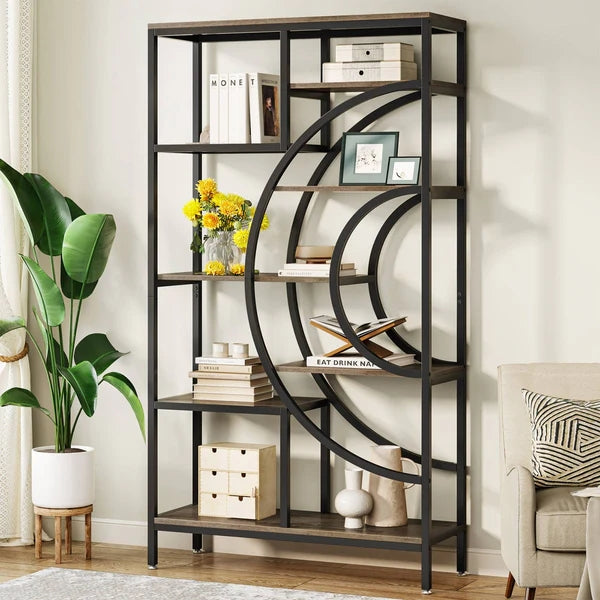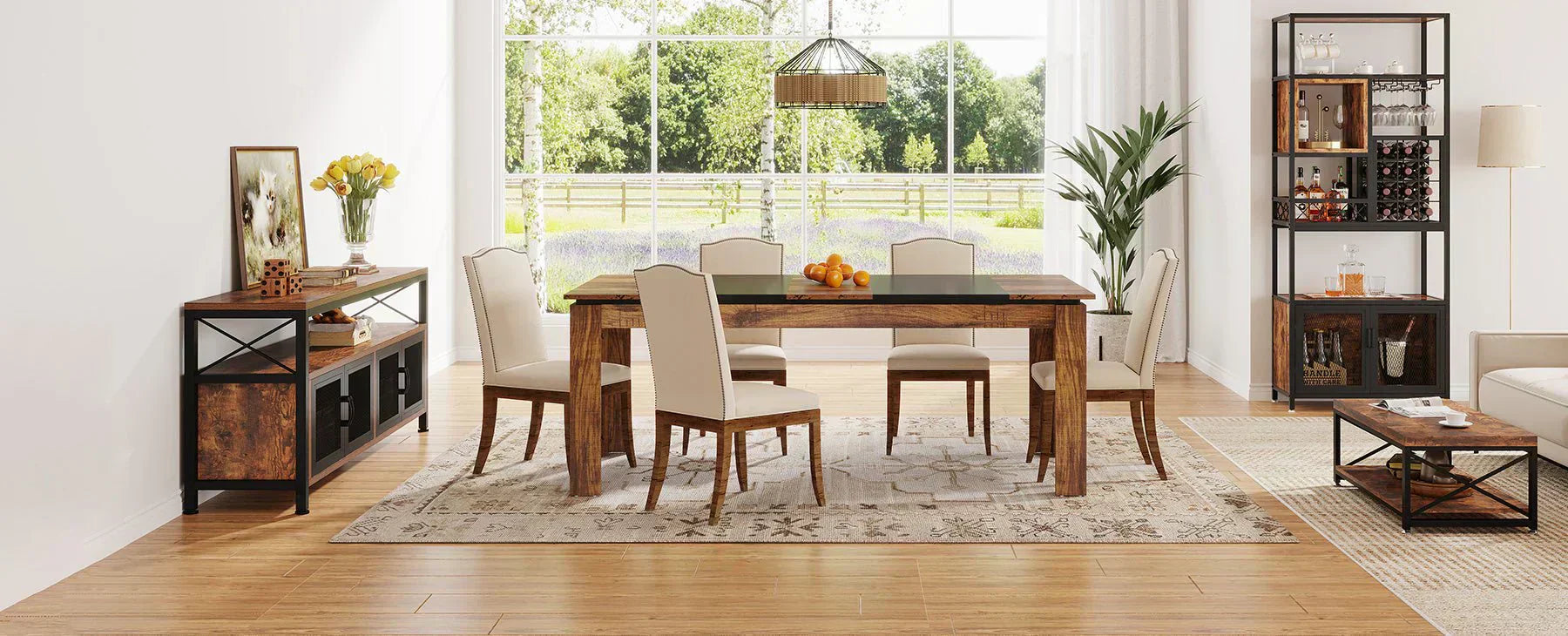

Known for its elegant simplicity and adaptable nature, a sideboard provides valuable surface space for serving, displaying cherished items, or tidying away essentials – all while elevating the room's overall aesthetic.
But what exactly defines a sideboard? Is it simply another term for a buffet? And where might you place one in your home?
What Is a Sideboard?
A sideboard is a long, low storage furniture piece, traditionally used in dining rooms or living areas. Typically featuring a mix of drawers, cabinets, and a flat top, it's perfectly suited for storing everything from dinnerware and linens to home accessories and media equipment.
While "sideboard", "buffet" and "credenza" are often used interchangeably, subtle differences exist. Sideboards usually have shorter legs and more enclosed storage than buffets. Credenzas often sport a sleeker, more modern profile and are frequently found in studies or lounges.
A Nod to Its Heritage
The sideboard has its roots in 18th-century Europe, where it graced grand dining halls, holding serving platters and tableware. Over time, it evolved from a purely utilitarian item into a decorative fixture, symbolising gracious living and hospitality.
Today, sideboards are available in a vast array of styles, from classic wood finishes to contemporary designs. Their role has also expanded beyond the dining room – they are now a stylish and practical addition to hallways, living rooms, and even bedrooms.
Key Benefits of a Sideboard
Sideboards are more than just handsome furniture; they are incredibly functional pieces that enhance how you live in and enjoy your space. Here are the key advantages of incorporating a sideboard into your British home:
- Ample Storage Solutions: A primary benefit is the generous storage a sideboard provides. With its combination of drawers, shelves, and cabinets, it's ideal for stowing away dining linens, crockery, board games, or other household essentials. It helps keep clutter at bay, ensuring your living spaces remain tidy and serene.
- Enhanced Organisation: A sideboard helps bring order to your home. By dedicating a specific place for your belongings, it becomes far easier to maintain a clean and organised environment.
- A Stylish Focal Point: Beyond its storage capabilities, the sideboard's spacious top surface serves as a perfect stage for decorative displays. Showcase framed photographs, artful vases, or a striking lamp. Hanging a mirror above it can add depth and light to the room.
- Durable and Adaptable: Crafted from robust materials like solid wood, high-grade engineered wood, and metal, sideboards are built to last. Their versatility is another key strength – while traditionally placed in the dining room, they now function beautifully in entryways, hallways, and as media consoles in the living room.
Sideboard vs. Buffet: What's the Difference?
When curating your dining room furniture, you'll often encounter the terms "sideboard" and "buffet" used seemingly interchangeably. While they are close cousins in form and function, understanding their subtle distinctions will help you select the perfect piece for your home.
Primarily, it's a matter of versatility versus tradition.
- A sideboard is the more adaptable of the two. With its characteristic shorter legs or low-profile base, it is designed for use throughout the home—not just the dining room. You're just as likely to find a sideboard in a living room, hallway, or entryway, where it offers versatile storage and a stylish surface for displaying lamps, artwork, or media equipment. Its storage tends to be more enclosed, with a combination of cabinets and drawers, making it ideal for concealing everyday clutter.
- A buffet, on the other hand, holds a more traditional and formal role, firmly rooted in the dining experience. It often features taller legs, giving it a more elevated and pronounced presence in the room. While it also provides ample storage for dinnerware and linens, it may include open shelving. Its defining purpose is service: the broad, sturdy top is designed for laying out dishes and serving food during meals.
What About Credenzas?
The term credenza is also part of this family. It's closely related but often features a sleeker, more modern profile, sometimes with sliding doors, and is commonly used in offices or media settings. Your choice between them ultimately depends on where you plan to place it and the look you wish to achieve.
How to Choose the Perfect Sideboard for Your Dining Room
Selecting the right sideboard involves more than just aesthetics; it's about finding a piece that fits your space, meets your storage needs, and complements your home's character.
Select a Design to Suit Your Style
Sideboards come in various designs. The right one should enhance your room's aesthetic.
- Traditional: Often crafted from wood with refined detailing, ideal for formal dining spaces.
- Modern: Clean lines, minimal hardware, and finishes like lacquer or metal.
- Farmhouse: Rustic charm with distressed wood tones and simple, robust features.
- Mid-Century: Tapered legs, natural wood tones, and sleek silhouettes.
Tip: Coordinate your sideboard with your dining table or chairs for a cohesive feel, or let it stand out as a bold accent piece in a neutral room.
Consider the Material and Finish
The material affects both appearance and durability.
- Solid Wood: Timeless, durable, and long-lasting. Perfect for heirloom-quality pieces.
- Veneer: Offers a real-wood look at a more accessible price point.
- Engineered Wood (MDF): A stable and budget-friendly option, often used in modern designs.
- Metal Accents: Adds a contemporary or industrial edge.
Tip: For family homes, opt for scratch-resistant and easy-to-clean surfaces.
Measure Your Space Accurately
Size is crucial. A piece that's too large can overwhelm, while one that's too small may be impractical.
- Length: Typically ranges from 47.24" to 70.87" wide. Choose one proportionate to your wall and table.
- Height: Standard height is around 33.47-35.43", aligning comfortably with most dining tables for easy serving.
- Depth: Usually 16-20" – deep enough for storage without encroaching on the room.
Tip: Ensure at least 24" of clearance between the sideboard and dining chairs for comfortable movement.
Final Thoughts
The right sideboard can transform a room, creating a stylish, organised, and highly functional space. By carefully considering the design, material, and size that best suit your needs, you can find a piece that seamlessly integrates into your home.