
The global market for shoe storage solutions is experiencing a marked evolution, propelled by shifting lifestyles, contemporary interior design movements, the expansion of the footwear industry, and the predominance of digital commerce. According to Data Bridge Market Research, this sector was valued at USD 2.4 billion in 2020 and is projected to grow at a CAGR of 5.5%, reaching approximately USD 3.68 billion by 2028. This trajectory positions 2026 as a significant inflection point, where nascent trends mature and new consumer expectations fundamentally reshape the market landscape.
This guide explores the principal trends set to define the shoe storage category by 2026, examining material preferences, design philosophies, and distribution channels on a global scale.
1. The Ascendancy of Functional Minimalism in Home Organisation
The prevalence of compact urban living continues to dictate demand for intelligent and space-efficient home storage solutions worldwide. By 2026, shoe storage will further embrace the core principles of functional minimalism:
- Space-Optimising Designs: Expect a pronounced focus on slim-profile vertical cabinets that maximise constrained entryway spaces, alongside collapsible options suited to apartments and smaller dwellings.
- Multifunctional Furniture: Convertible designs that integrate seating, drawers, or modular stackable units will see increased popularity, offering versatile solutions for modern living.
- A Conscious Aesthetic Choice: Minimalism has solidified as a deliberate interior philosophy. Consumers actively seek storage solutions that reduce visual clutter and promote a sense of order, making sleek, dual-purpose shoe racks a desirable element of the contemporary home.
2. The Enduring Preference for Timber and Metal
Timber and metal retain their favoured status globally, prized for a superior blend of durability, quality, and aesthetic versatility. Key material developments for 2026 include:
- Sustainable Timber: Environmentally conscious buyers are catalysing demand for responsible options such as bamboo and FSC-certified wood.
- Robust Metal Finishes: Powder-coated metal frames offer enhanced longevity and resistance to moisture, ensuring reliability across varied climates.
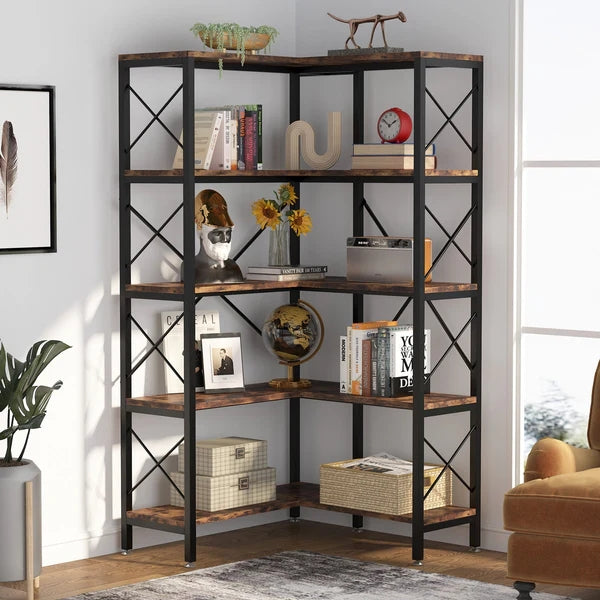
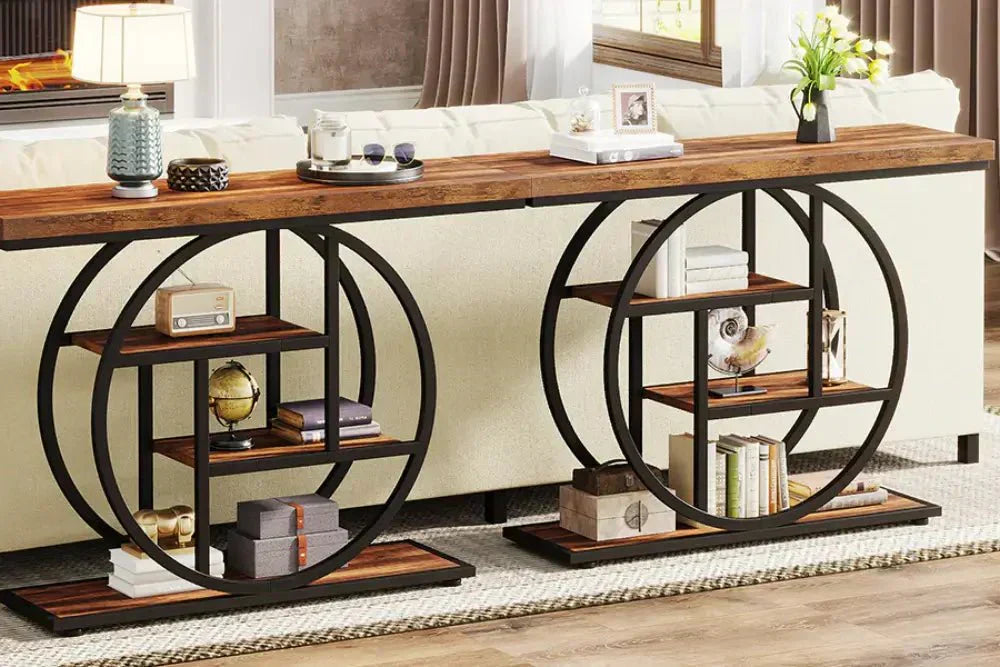
- Hybrid Materiality: Designs that combine the warmth of wooden shelves with the structural integrity of metal supports achieve a balance of contemporary industrial appeal and practical strength, resonating with modern interiors.
Whilst plastic units remain relevant for budget-conscious segments, consumer preference is decisively shifting towards durable, sustainable materials with a refined finish.
3. The Predominance of Digital Retail Channels
E-commerce stands as a primary growth driver, with online platforms anticipated to surpass physical retail sales for furniture categories like shoe storage by 2026. This shift is accelerated by:
- Convenience: A strong preference for direct-to-door delivery and straightforward self-assembly models.
- Enhanced Visualisation: Superior product imagery, video content, and Augmented Reality (AR) tools aid consumers in visualising items within their own spaces.
- Brand and Marketplace Dynamics: The rise of Direct-to-Consumer (DTC) brands and vigorous competition on platforms like Amazon and Wayfair UK.
- Efficient Logistics: Flat-pack shipping and customer-friendly return policies further encourage online purchasing.
4. Rising Commercial Demand from Retail Sector Expansion
Whilst the residential segment leads, commercial demand presents a growing avenue globally. This encompasses:
- High-capacity display racks for retail environments.
- Industrial-grade metal storage for stockroom management.
-
Modular systems for efficient inventory control.
The ongoing expansion of branded footwear retail outlets continues to fuel growth in this segment.
5. Storage as a Statement of Interior Aesthetics
Shoe storage is increasingly regarded as an integral component of home décor rather than a purely utilitarian item. Trends for 2026 highlight:
- Aesthetic Integration: Colour customisation and designs intended to complement existing furniture schemes.
- Style Synthesis: The influence of Scandinavian minimalism, industrial-style metal and wood combinations (a signature of brands like Tribesigns), and discreet built-in storage solutions.
- Social Media Influence: Platforms such as Instagram and Pinterest remain powerful forces in disseminating home organisation trends and inspiring aesthetic choices globally.
Conclusion
Looking ahead to 2026, the shoe rack market will be shaped by three interconnected forces: sustainability, regional expansion, and intensifying competition. As consumers place greater emphasis on environmentally responsible products, manufacturers are increasingly adopting recycled plastics, reclaimed timber and low-VOC coatings. Flexible, modular constructions are also gaining prominence as they support longer product lifecycles.
The Asia–Pacific region is set to remain the fastest-growing market. Rapid urbanisation, rising disposable incomes, strong e-commerce penetration and increased footwear ownership all contribute to a higher need for organised storage. This trajectory reinforces the influence of producers based in China, India and Southeast Asia, raising the region’s strategic importance.
Meanwhile, competitive dynamics are evolving. Lower-cost manufacturers continue to exert downward pressure on prices, while premium brands differentiate through design refinement and enhanced functionality. Sustainability is emerging as a critical competitive lever. Smaller brands, leveraging social commerce and agile supply chains, are expected to disrupt traditional market structures further.